%2Ffit-in%2F250x250%2Fguide_websites%2F14550%2Fimages%2F1712264857208image-2024-04-05t050723.034.png&w=1920&q=100)
/users/f5e6d6b0-3756-4880-88c7-a7567c026e3b/ratecard/490308080_1214542737340566_4560665014701229010_n.jpg)
%2F300x300%2Fusers%2Ff5e6d6b0-3756-4880-88c7-a7567c026e3b%2Fratecard%2F490308080_1214542737340566_4560665014701229010_n.jpg&w=256&q=75)
%2F300x300%2Fusers%2Ff5e6d6b0-3756-4880-88c7-a7567c026e3b%2Fimages%2Fsuccessful-fishing-outing-florida-2569.jpg&w=256&q=75)
%2F300x300%2Fusers%2Ff5e6d6b0-3756-4880-88c7-a7567c026e3b%2Fimages%2Ffishing-adventure-florida-2606.jpg&w=256&q=75)
%2F300x300%2Fusers%2Ff5e6d6b0-3756-4880-88c7-a7567c026e3b%2Fimages%2Fredfish-fishing-palm-bay-2807.jpg&w=256&q=75)
%2F300x300%2Fusers%2Ff5e6d6b0-3756-4880-88c7-a7567c026e3b%2Fimages%2Fspotted-weakfish-florida-fishing-2711.jpg&w=256&q=75)
%2F300x300%2Fusers%2Ff5e6d6b0-3756-4880-88c7-a7567c026e3b%2Fimages%2Flargemouth-bass-fishing-fl-2594.jpg&w=256&q=75)
%2F300x300%2Fusers%2Ff5e6d6b0-3756-4880-88c7-a7567c026e3b%2Fimages%2Fhuge-redfish-catch-palm-bay-2824.jpg&w=256&q=75)
%2F300x300%2Fusers%2Ff5e6d6b0-3756-4880-88c7-a7567c026e3b%2Fimages%2Fspotted-weakfish-florida-fishing-2664.jpg&w=256&q=75)
%2F300x300%2Fusers%2Ff5e6d6b0-3756-4880-88c7-a7567c026e3b%2Fimages%2Ffishing-adventure-palm-bay-2651.jpg&w=256&q=75)
%2F300x300%2Fusers%2Ff5e6d6b0-3756-4880-88c7-a7567c026e3b%2Fimages%2Ffishing-adventure-palm-bay-2534.jpg&w=256&q=75)
%2F300x300%2Fusers%2Ff5e6d6b0-3756-4880-88c7-a7567c026e3b%2Fimages%2Fsnook-caught-palm-bay-2639.jpg&w=256&q=75)
Expert Guided Vero Beach Fly Fishing Adventure
 Vero Beach
What you will be catching:
 Redfish
 Sea Trout
 Snook
Snook Tarpon
- Half-day fly fishing adventure targeting redfish, snook, tarpon, and trout
- Professional instruction and local techniques provided for all skill levels
- Sight fishing in calm, protected flats accommodating up to two anglers
Trip Pricing and Availabilities:
Half Day Fly Fishing in Vero Beach Waters
Captain Mike knows these Vero Beach flats like the back of his hand, and he's ready to put you on some serious fish. This isn't your typical half-day charter – we're talking about a full day of fly fishing in some of Florida's most productive backwaters. Whether you're picking up a fly rod for the first time or you've been casting for years, Mike tailors every trip to match your skill level. You'll be working the shallow flats and protected channels where redfish cruise, snook lurk in the shadows, and trout stack up on grass beds. The best part? All the high-end fly gear is included, so you can focus on what really matters – learning new techniques and landing fish.
What to Expect on the Water
Your day starts early with Captain Mike, who'll have the boat ready and tackle sorted before you even arrive. We're fishing the legendary Indian River Lagoon system and its maze of creeks, flats, and mangrove shorelines that make Vero Beach a fly fishing hotspot. The boat stays in skinny water most of the day – we're talking two to four feet deep – where you can sight-fish to cruising reds and watch snook explode on your fly. Mike's approach is hands-on instruction mixed with plenty of fishing time. He'll position the boat perfectly, call out fish, and coach you through each cast. Expect to cover different water types throughout the day, from sandy flats where trout feed to oyster bars that hold big snook. The beauty of this fishery is its year-round productivity, though each season brings different opportunities and challenges.
Fly Gear and Casting Tips
Mike provides top-shelf fly fishing equipment perfectly matched to these waters – typically 8-weight rods that handle both delicate presentations and strong fish. The fly selection changes based on conditions and target species, but expect to throw everything from small shrimp patterns to larger streamers that drive snook crazy. If you're new to fly fishing, don't sweat it. Mike starts with basic casting fundamentals and gradually builds your confidence. Experienced fly anglers appreciate his local knowledge about fly selection, retrieve techniques, and reading water conditions. The shallow, clear water here is perfect for learning because you can actually see how fish react to your presentation. Wind management is key in these open flats, and Mike teaches practical techniques for casting in breezy conditions that are common along the coast.
Top Catches This Season
Redfish are the bread and butter of this fishery, and for good reason. These copper-colored bruisers cruise the flats in small schools, tailing in shallow water as they root around for crabs and shrimp. Most reds here run between 20 to 30 inches, with plenty of oversized fish that'll test your backing. They're aggressive feeders and relatively forgiving for fly fishing beginners, making them perfect targets for building confidence. Snook bring a different kind of excitement – they're ambush predators that hide along mangrove edges and dock pilings, waiting to crush baitfish. These fish are notorious for their explosive strikes and acrobatic fights. Vero Beach snook are typically most active during warmer months, though winter can produce some surprisingly good fishing on warm afternoons. Sea trout might not have the glamour of snook or the power of redfish, but they're incredibly fun on light fly tackle. They school up over grass flats and respond well to small flies worked with erratic retrieves. Tarpon are the wild card – when they're around, everything else becomes secondary. These silver kings show up seasonally, usually in late spring through summer, and hooking one on a fly rod is something you'll never forget. They're not always cooperative, but when conditions align, the fishing can be absolutely spectacular.
Time to Book Your Spot
This top-rated Vero Beach fly fishing charter fills up quickly, especially during peak season when the fishing is hot and weather conditions are most predictable. Captain Mike's reputation for putting clients on fish while teaching proper techniques has made this trip a customer favorite among both locals and visiting anglers. The combination of world-class fishing, expert instruction, and access to some of Florida's best flats makes this an experience that keeps people coming back year after year. Remember that a non-refundable deposit secures your date, so don't wait if you see an opening that works with your schedule. Whether you're looking to learn fly fishing basics or fine-tune your technique in productive waters, this charter delivers exactly what serious anglers want – more time on the water with fish cooperating and a captain who knows how to make it happen.
Learn more about the species
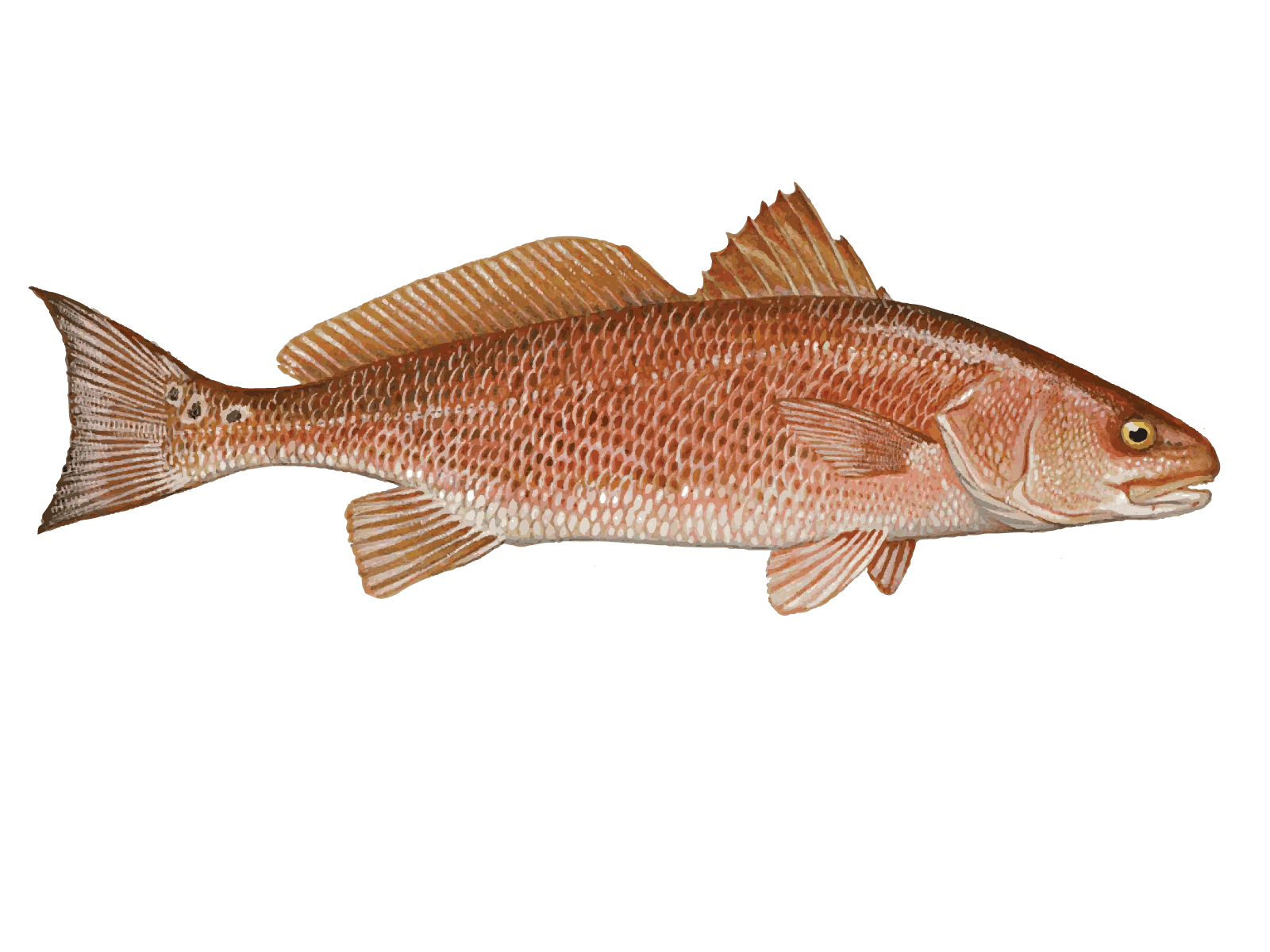
Redfish
Reds are the bread and butter of our inshore fishing, running anywhere from 18-inch "rat reds" to 30+ inch bulls. You'll find them cruising super shallow flats, sometimes with their backs out of the water, around oyster bars and mangrove shorelines. That distinctive black spot near their tail and bronze-copper coloring makes them easy to identify. They're year-round residents, but fall and spring offer the best action when they're most active. What makes redfish special is their willingness to eat just about anything and their bulldogging fight - they'll pull drag and make long runs. Plus, slot-sized fish (18-27 inches) make excellent table fare with sweet, firm meat. My go-to technique is sight-casting to tailing or cruising fish with a weedless gold spoon or soft plastic. Keep your casts ahead of them and be ready for that distinctive head shake.
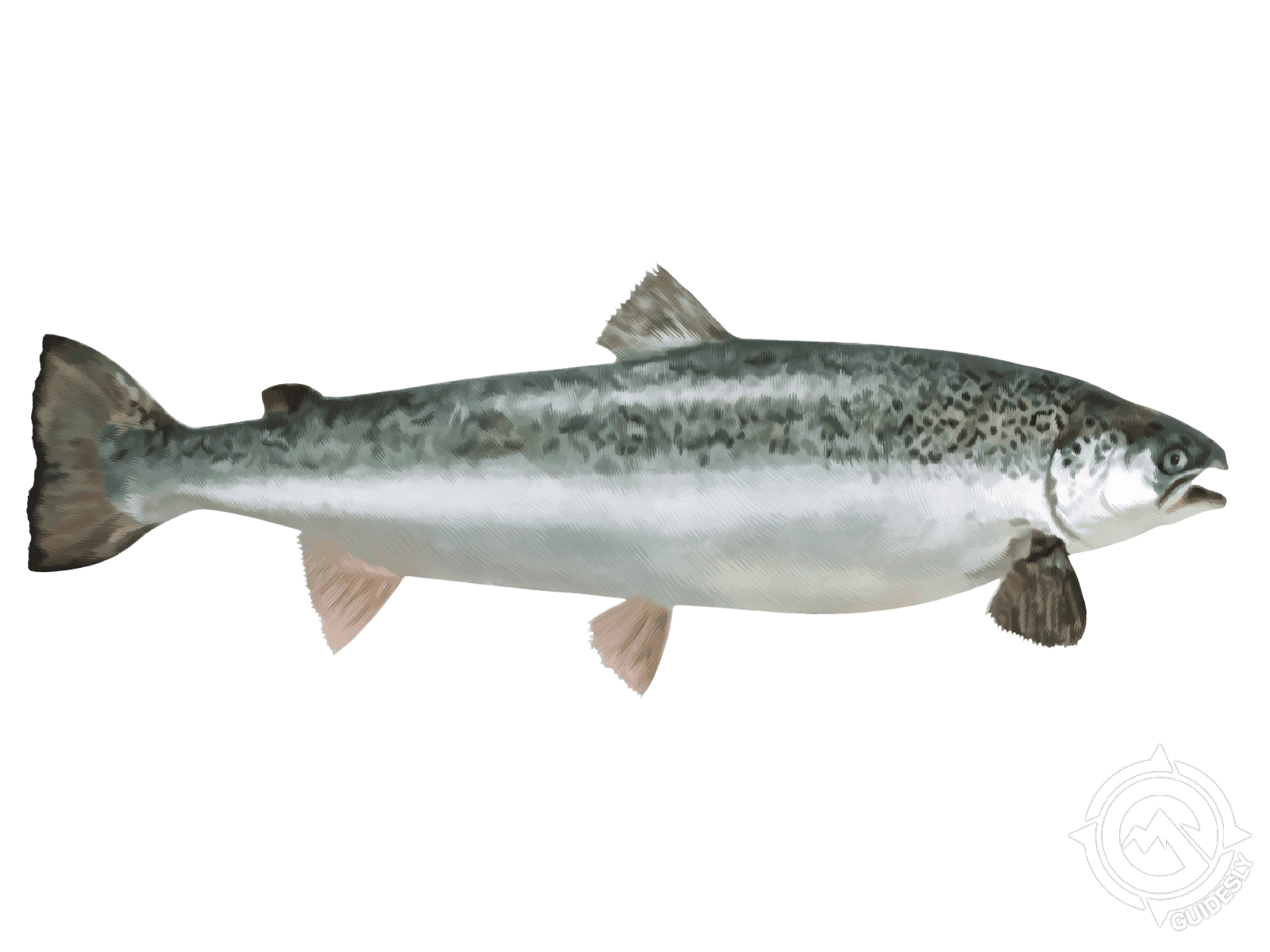
Sea Trout
Speckled trout are one of our most reliable inshore targets, typically running 12-20 inches with occasional 3-5 pounders mixed in. They love grass flats, sandy potholes, and drop-offs in 2-8 feet of water. You'll spot them by those distinctive black spots scattered across their silver sides. Cool weather months are prime time as they school up in deeper holes and channels. What makes specks great is their willingness to bite artificial lures and their excellent table fare - mild, white meat that's hard to beat. They're not the strongest fighters, but they make up for it in numbers and taste. Pro tip: look for nervous baitfish and birds working - specks are usually underneath. Use a popping cork with a soft plastic tail, and work it slow over the grass beds where they ambush prey.
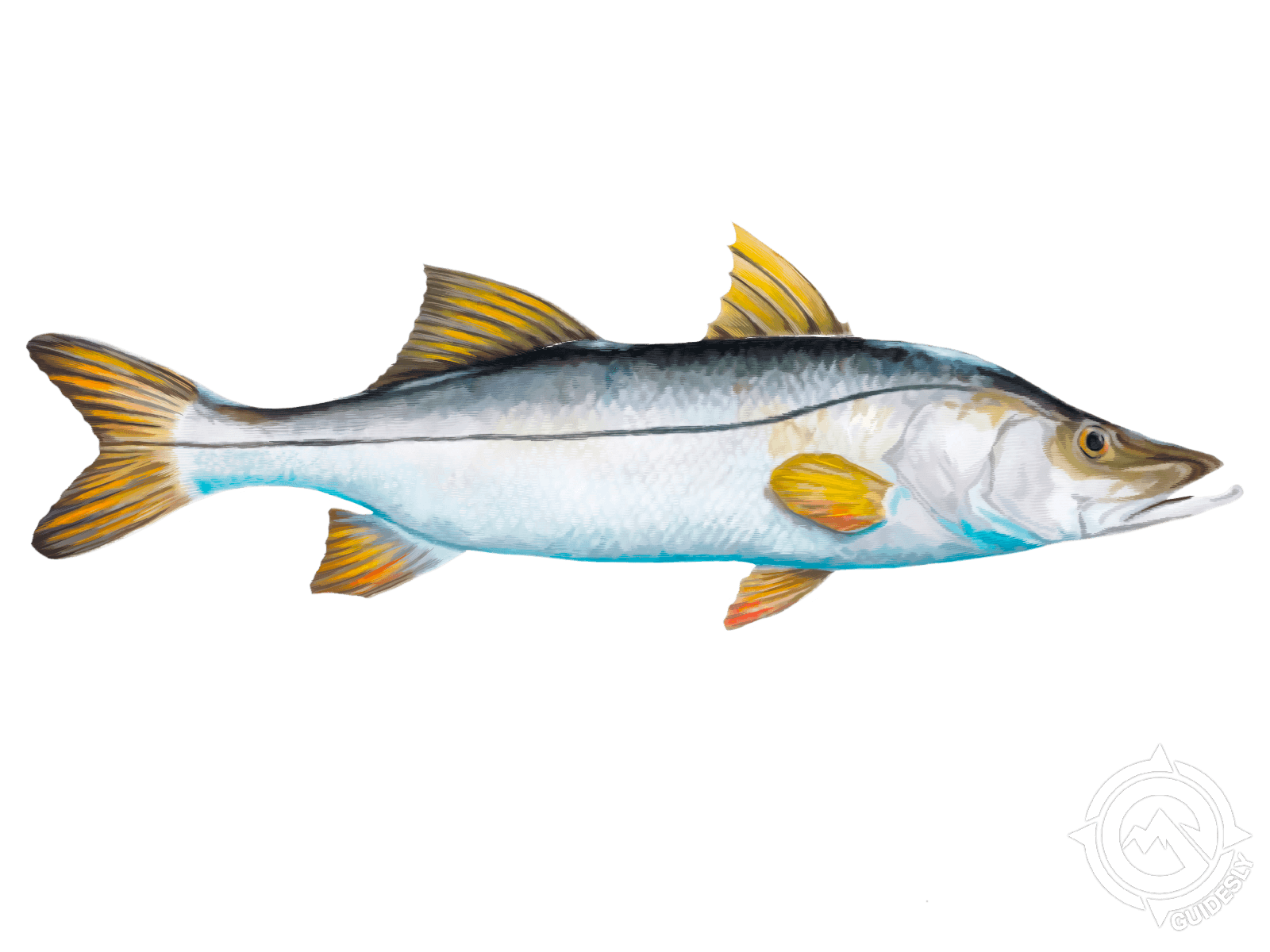
Snook
Snook are perfect ambush predators that love hanging around mangroves, docks, and structure in 1-6 feet of water. Most fish you'll catch run 18-24 inches, but bigger ones lurk near deeper cuts and passes. They're incredibly temperature-sensitive - anything below 60°F sends them into a lethargic state or worse. Spring through fall gives you the best action, especially around new and full moons when they're spawning. What makes snook special is their explosive strike and that classic lateral line running down their golden sides. They fight hard with sudden bursts of speed and love to jump. The meat is excellent - white, flaky, and mild. Here's a tip: when you see one, make your first cast count. They spook easily, and you rarely get a second chance at the same fish.
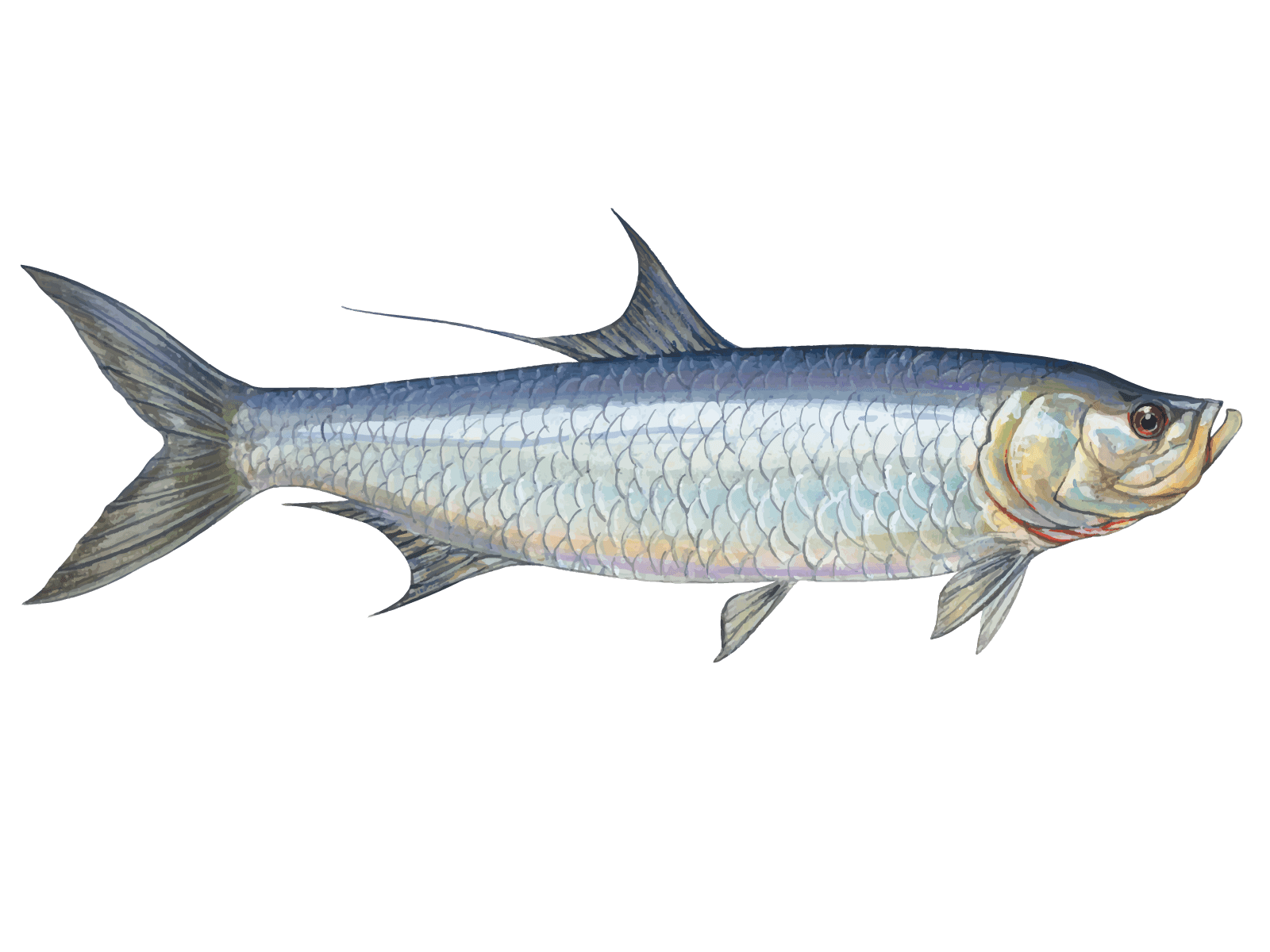
Tarpon
The "silver king" is what dreams are made of - fish that can reach 6 feet and over 100 pounds, with smaller 20-40 pounders being more common on our flats. They cruise shallow waters, channels, and around structure, often rolling on the surface to gulp air. Peak season runs May through September when they migrate through our waters. What sets tarpon apart is their aerial show - these fish can jump 10 feet out of the water and will test every bit of your tackle and patience. Most anglers come for the fight, not the table - tarpon are catch and release due to their bony meat and high mercury content. The key to landing one is keeping steady pressure and "bowing" to the fish when it jumps to avoid breaking your line. Patience and a smooth drag are your best friends with these giants.
About the Skiffs And Flats Boats
%2F%2Fusers%2Ff5e6d6b0-3756-4880-88c7-a7567c026e3b%2Fvehicle_picture%2Fimage-2024-04-05t040517.553.png&w=1920&q=75)
Vehicle Guest Capacity: 3
Manufacturer Name: Yamaha
Maximum Cruising Speed: 45
Number of Engines: 1
Horsepower per Engine: 130