%2Ffit-in%2F250x250%2Fguide_websites%2F14550%2Fimages%2F1712264857208image-2024-04-05t050723.034.png&w=1920&q=100)
/users/f5e6d6b0-3756-4880-88c7-a7567c026e3b/ratecard/image-2024-04-05t035804.951.png)
%2F300x300%2Fusers%2Ff5e6d6b0-3756-4880-88c7-a7567c026e3b%2Fratecard%2Fimage-2024-04-05t035804.951.png&w=256&q=75)
%2F300x300%2Fusers%2Ff5e6d6b0-3756-4880-88c7-a7567c026e3b%2Fimages%2Fsuccessful-fishing-outing-florida-2569.jpg&w=256&q=75)
%2F300x300%2Fusers%2Ff5e6d6b0-3756-4880-88c7-a7567c026e3b%2Fimages%2Ffishing-adventure-florida-2606.jpg&w=256&q=75)
%2F300x300%2Fusers%2Ff5e6d6b0-3756-4880-88c7-a7567c026e3b%2Fimages%2Fredfish-fishing-palm-bay-2807.jpg&w=256&q=75)
%2F300x300%2Fusers%2Ff5e6d6b0-3756-4880-88c7-a7567c026e3b%2Fimages%2Fspotted-weakfish-florida-fishing-2711.jpg&w=256&q=75)
%2F300x300%2Fusers%2Ff5e6d6b0-3756-4880-88c7-a7567c026e3b%2Fimages%2Flargemouth-bass-fishing-fl-2594.jpg&w=256&q=75)
%2F300x300%2Fusers%2Ff5e6d6b0-3756-4880-88c7-a7567c026e3b%2Fimages%2Fhuge-redfish-catch-palm-bay-2824.jpg&w=256&q=75)
%2F300x300%2Fusers%2Ff5e6d6b0-3756-4880-88c7-a7567c026e3b%2Fimages%2Fspotted-weakfish-florida-fishing-2664.jpg&w=256&q=75)
%2F300x300%2Fusers%2Ff5e6d6b0-3756-4880-88c7-a7567c026e3b%2Fimages%2Ffishing-adventure-palm-bay-2651.jpg&w=256&q=75)
%2F300x300%2Fusers%2Ff5e6d6b0-3756-4880-88c7-a7567c026e3b%2Fimages%2Ffishing-adventure-palm-bay-2534.jpg&w=256&q=75)
%2F300x300%2Fusers%2Ff5e6d6b0-3756-4880-88c7-a7567c026e3b%2Fimages%2Fsnook-caught-palm-bay-2639.jpg&w=256&q=75)
Premier Vero Beach Fly Fishing | Knotical Tides
 Vero Beach
What you will be catching:
 Redfish
 Sea Trout
 Snook
Snook Tarpon
- 6-hour fly fishing adventure targeting redfish, snook, tarpon, and trout
- Expert instruction and top-quality gear provided for all skill levels
- Small group experience with maximum 2 anglers for personalized attention
Trip Pricing and Availabilities:
Extended Half Day Fly Fishing in Vero Beach
Captain Mike's extended half-day charter gives you a solid six hours to really get into the rhythm of fly fishing Vero Beach's legendary flats and backwaters. This isn't a rushed trip where you're checking your watch – you'll have time to dial in your casting, work multiple spots, and chase whatever's biting. The Indian River Lagoon system around Vero Beach offers some of Florida's most consistent sight fishing, and with a small boat limited to just two anglers, you're getting personalized attention whether you're picking up a fly rod for the first time or looking to sharpen your skills.
What to Expect on the Water
Your day starts early when the water's calm and the fish are active. Captain Mike knows these waters like the back of his hand, and he'll put you on fish whether they're tailing reds in knee-deep grass flats or snook hanging around mangrove shorelines. The beauty of a six-hour trip is flexibility – if the bite's hot in one area, you can stay and work it. If conditions change, there's time to move and adjust the game plan. You'll be poling through crystal-clear shallows where you can actually see your targets before you cast, which makes every shot count. The boat stays in skinny water most of the day, so expect a mix of sight fishing and blind casting to structure. Captain Mike provides all the fly gear you need, from balanced rods to a selection of proven patterns that work in these waters.
Fly Fishing Gear & Techniques
You'll be throwing 8 and 9-weight rods most of the day, perfectly balanced for the size fish and wind conditions you'll encounter on the flats. Captain Mike keeps his fly selection simple but deadly effective – think Clouser minnows, shrimp patterns, and topwater poppers depending on what the fish want. If you're new to saltwater fly fishing, he'll walk you through the double haul and teach you how to strip set instead of trout set. Experienced fly anglers will appreciate his knowledge of seasonal patterns and his ability to put you in casting range of fish. The trolling motor keeps noise to a minimum, and when you're really dialed in, he'll get on the push pole for that true flats experience. Leaders are typically 9 feet with 15-20 pound tippet – strong enough for these fish but light enough to get good presentations in clear water.
Species You'll Want to Hook
Redfish are the bread and butter of Vero Beach fly fishing, and for good reason. These copper-colored bruisers cruise the grass flats in water so shallow their backs are exposed, making them perfect sight fishing targets. Reds typically run 18 to 28 inches in these waters, with plenty of slot fish and some oversized bulls mixed in. They're most active during moving tides, and fall through spring offers the most consistent action. What makes reds so addictive on fly gear is their willingness to eat and their bulldogging fights in shallow water – they'll run straight for the nearest oyster bar or mangrove root.
Snook bring a different kind of excitement to the flats game. These ambush predators love structure – think mangrove points, dock pilings, and creek mouths where baitfish get pinched by the current. Vero Beach snook run from schoolie size up to true slobs pushing 30-plus inches. Summer months see them scattered on the flats, but fall and winter concentrate them in deeper creeks and around warm water discharges. A snook eat on fly gear is violent – they'll crush a well-placed Deceiver and immediately go airborne, gill-rattling and trying to throw the hook.
Tarpon season brings world-class fly fishing right to Vero Beach's backyard. From late spring through summer, juvenile tarpon in the 10 to 40-pound range flood the lagoon system, rolling and crashing bait in the shallows. These silver rockets test your tackle and your nerve – they eat aggressively but their jumps and runs will expose every weak link in your setup. Watching a tarpon come up from 10 feet away to crush your fly never gets old, and the fight that follows is pure chaos in the best possible way.
Sea trout round out the grand slam opportunities, and they're often the most cooperative species on the flats. Specks love grass beds and drop-offs where they can ambush shrimp and small baitfish. Vero Beach trout run from barely keeper size up to gator trout pushing 5 pounds, with the bigger fish typically found in deeper potholes and channel edges. They're year-round residents but fishing peaks in cooler months when they school up. Trout aren't line-burners like tarpon or bulldogs like reds, but they make up for it by eating flies aggressively and often traveling in groups.
Time to Book Your Spot
Six hours on Vero Beach's flats with Captain Mike gives you the time and space to really experience what fly fishing is all about. You're not just casting flies – you're learning to read water, understanding fish behavior, and developing skills that'll make you a better angler everywhere you fish. The extended half-day format means less rushing and more fishing, with enough time to work through different techniques and target multiple species. Captain Mike's hands-on teaching style and intimate knowledge of these waters make this trip perfect for anyone looking to step up their fly fishing game. Non-refundable deposits are required to hold your date, so don't wait too long to secure your spot on what consistently ranks as one of Vero Beach's top-rated charter experiences.
Learn more about the species
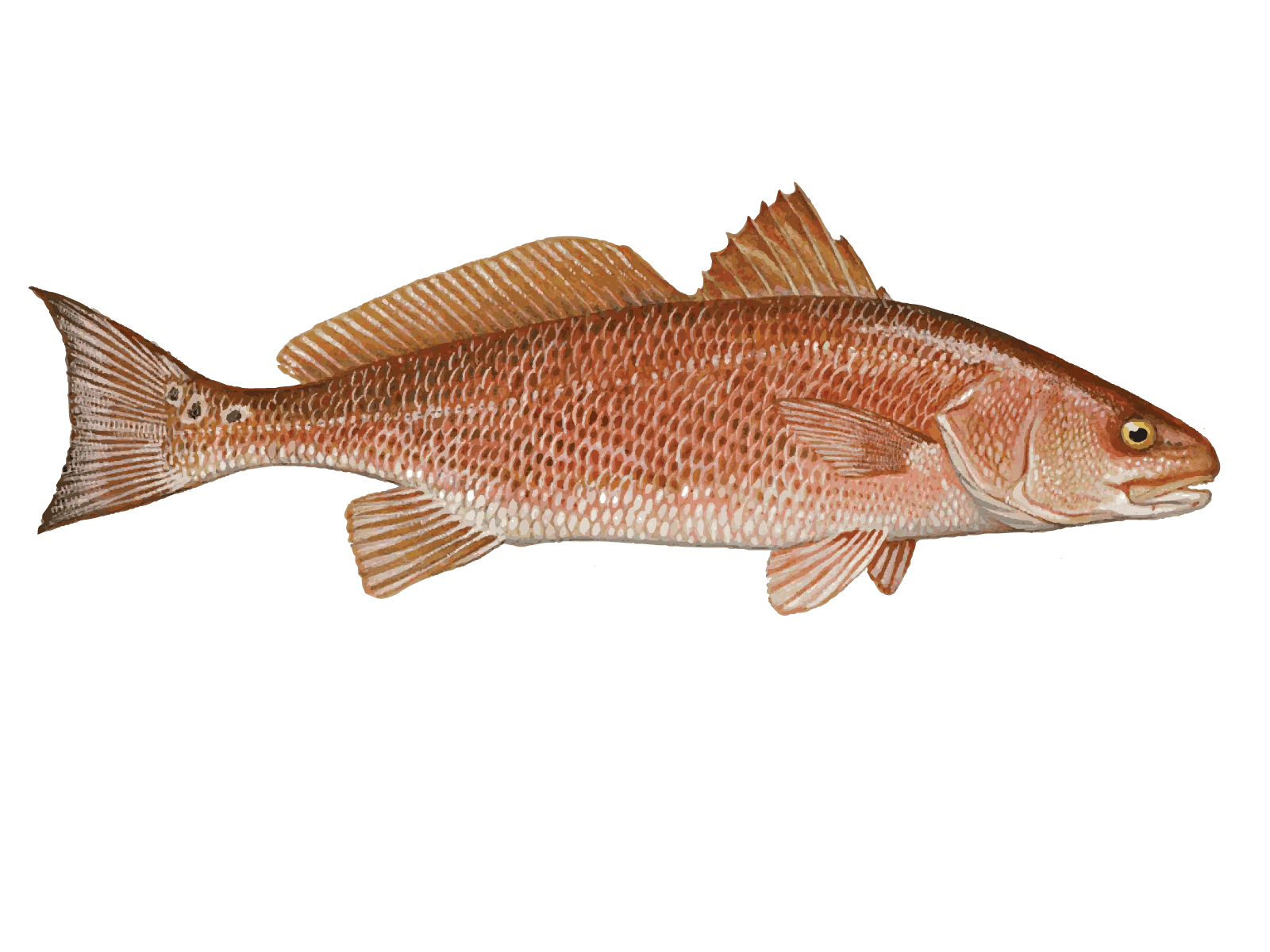
Redfish
Redfish are the bread and butter of our shallow water fly fishing around Vero Beach. These copper-colored fish typically run 20-32 inches and are famous for the black spots near their tails. You'll find them cruising oyster bars, grass flats, and creek mouths in water so shallow their backs sometimes show. They're year-round residents, but fall and spring provide the most consistent action. What makes reds special is their powerful runs and willingness to eat a well-presented fly. Plus, they're excellent eating with mild, sweet meat. The sight-fishing aspect is addictive - watching a red turn on your fly in crystal clear water never gets old. Pro tip: lead them by at least 3 feet and let the fly settle before starting your strip.
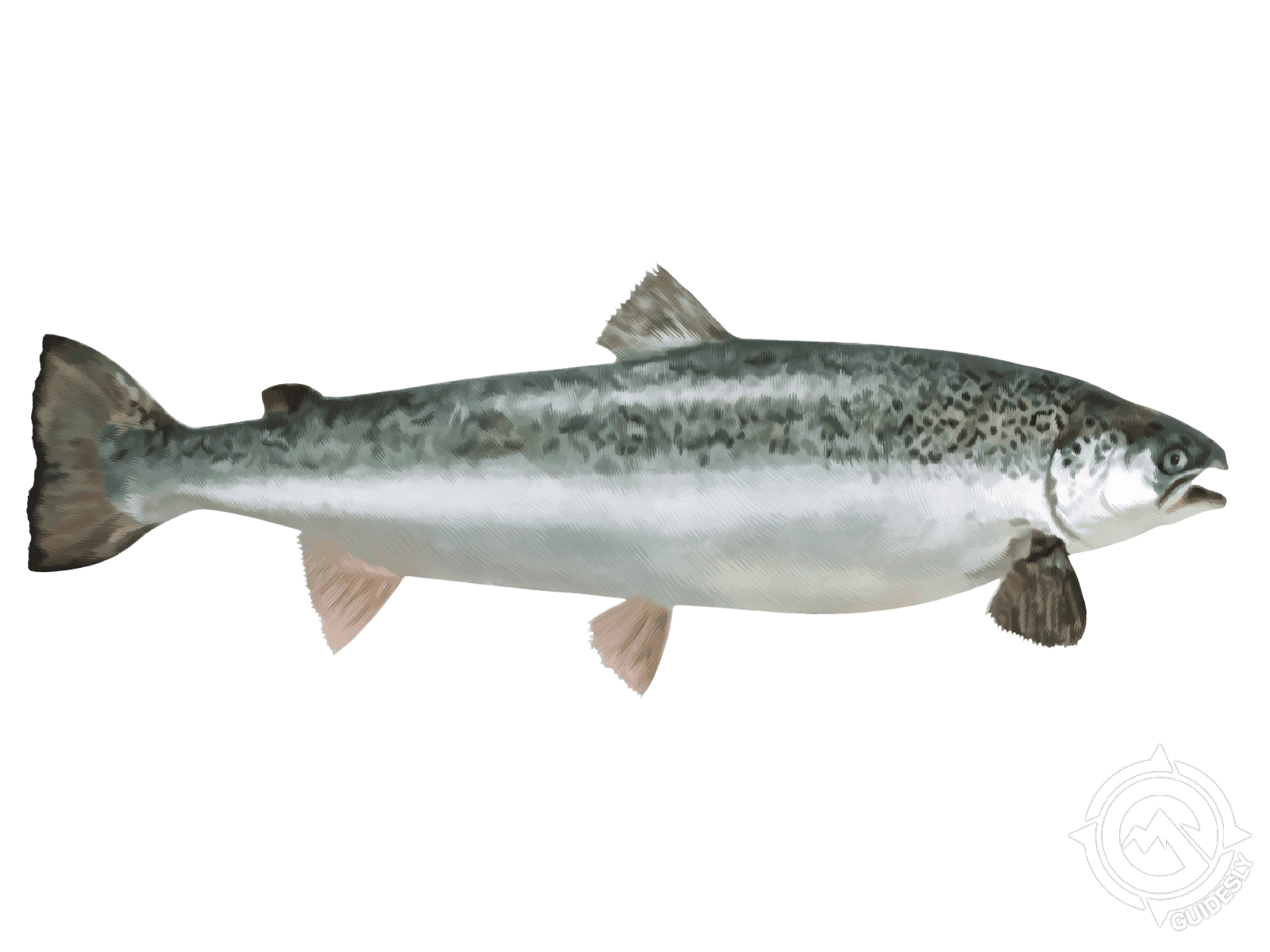
Sea Trout
Speckled trout are a staple of our Vero Beach flats fishing, running 14-20 inches on average with distinctive black spots covering their silver-green bodies. These fish prefer grass flats and sandy bottoms in 2-8 feet of water, especially around drop-offs and channel edges. Fall through spring offers consistent action, with cooler months being particularly productive as they school up in deeper pockets. Trout are popular because they hit flies aggressively and make decent table fare with their flaky white meat. They're also great for beginners since they're generally cooperative. The key here is working the grass edges early morning or late evening - that's when they move shallow to feed on shrimp and small baitfish.
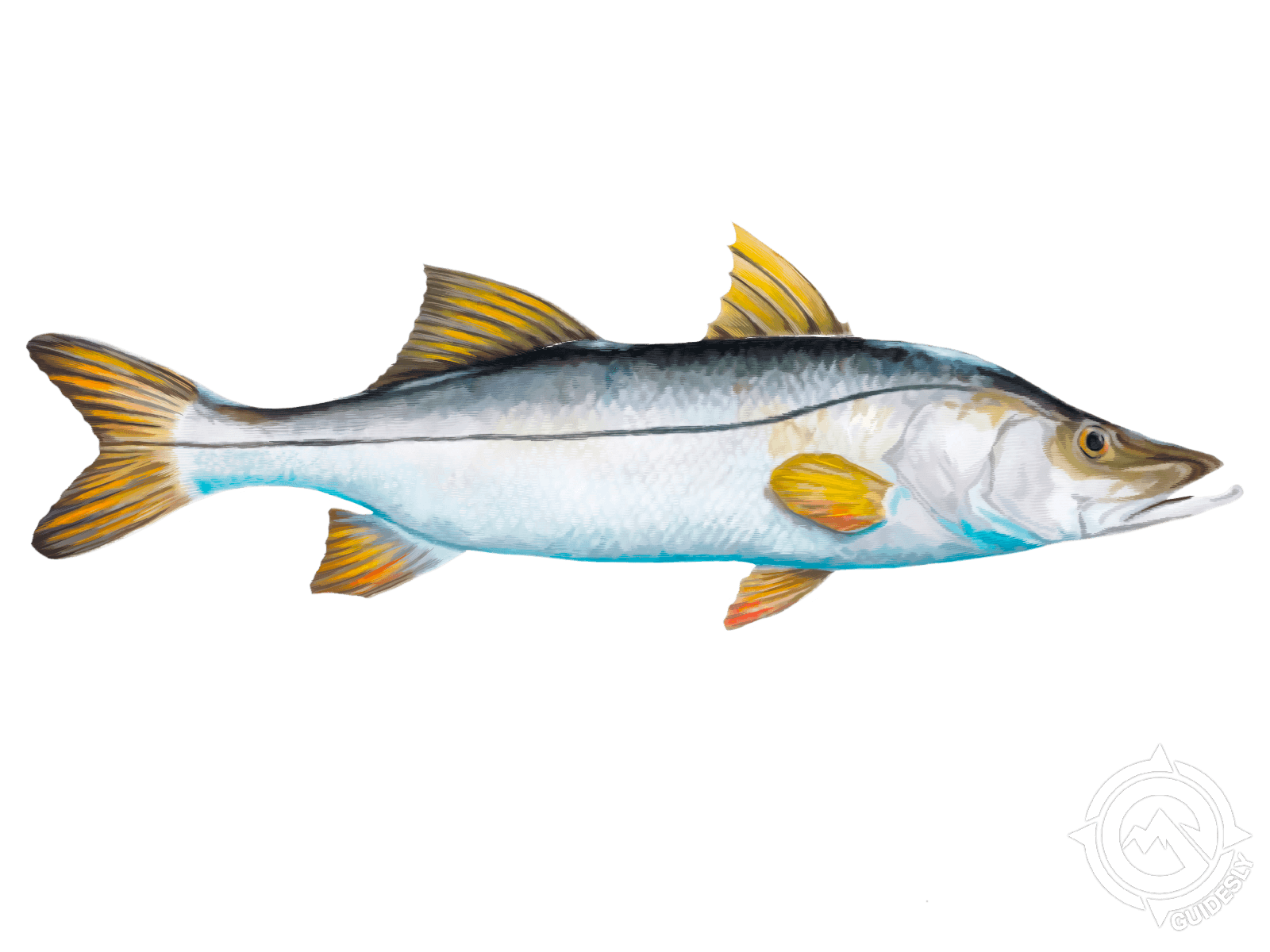
Snook
Snook are one of our most sought-after inshore species here in Vero Beach. These golden-sided fighters typically run 18-28 inches, with that distinctive black lateral line making them easy to spot. You'll find them around mangroves, docks, and creek mouths in 2-6 feet of water. They love structure and ambush points where they can surprise baitfish. Spring through fall offers the best action, especially around dawn and dusk. What makes snook special is their explosive strike and strong runs - they'll jump and thrash like crazy. They're also excellent table fare with firm, white meat. One local trick: cast your fly just past the mangrove edge and let it sink a bit before starting your retrieve. They often hit on the drop.
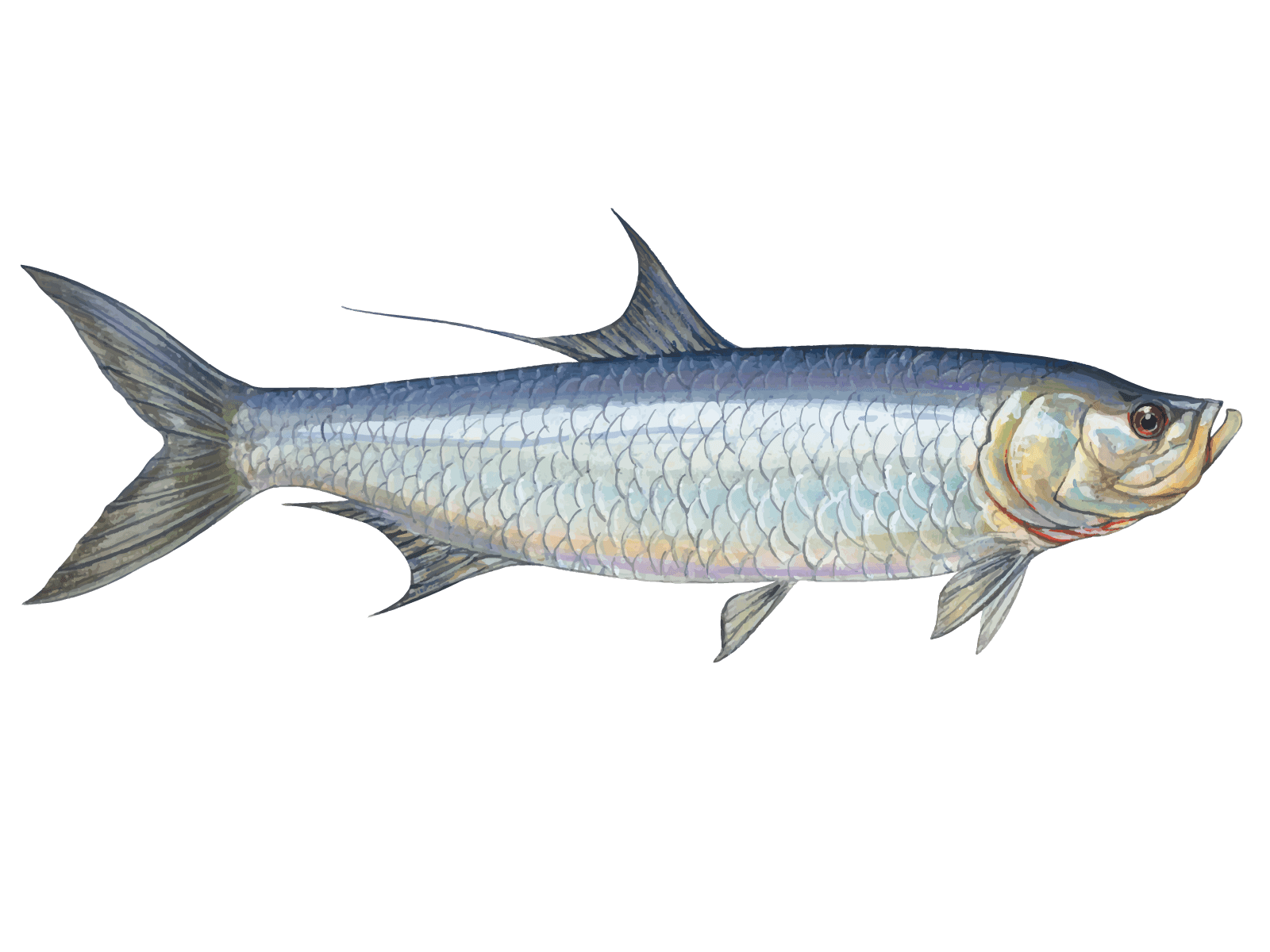
Tarpon
Tarpon are the ultimate fly fishing challenge - these silver giants average 80-150 pounds and can reach 6+ feet long. Around Vero Beach, we find them in shallow flats, channels, and near bridges in 4-15 feet of water. May through September is prime time when they migrate through our area. What draws anglers to tarpon is their aerial show - they'll jump 10 feet out of the water and make blistering runs that test your skills and equipment. Most folks catch and release since they're not great eating due to their bony structure. The thrill is landing one of these prehistoric fish that can live 50+ years. My go-to tip: when they jump, bow to the fish by lowering your rod tip to give them slack and prevent the hook from pulling out.
About the Skiffs And Flats Boats
%2F%2Fusers%2Ff5e6d6b0-3756-4880-88c7-a7567c026e3b%2Fvehicle_picture%2Fimage-2024-04-05t040517.553.png&w=1920&q=75)
Vehicle Guest Capacity: 3
Manufacturer Name: Yamaha
Maximum Cruising Speed: 45
Number of Engines: 1
Horsepower per Engine: 130